
Choosing the right food packaging method can affect product appearance, storage conditions, and production efficiency. For meat processors, fresh produce suppliers, and ready-meal manufacturers, two common options are modified atmosphere packaging (MAP) and vacuum packaging. Although both help protect packaged food, they work differently and suit different products.
Understanding the differences between a MAP machine and a vacuum packaging machine can help food producers choose equipment that matches their products, packaging requirements, and production goals.
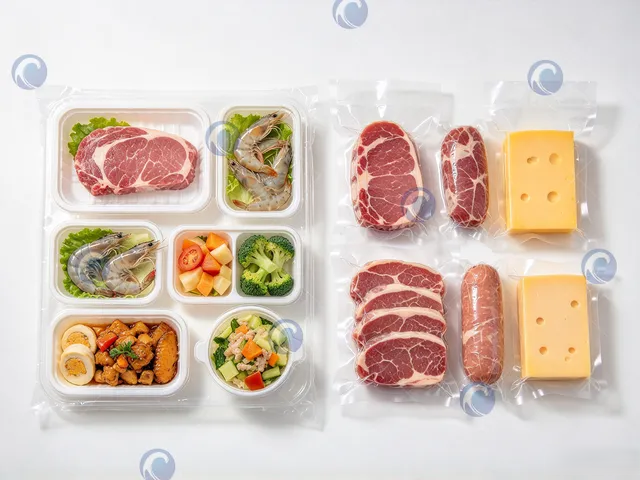
How Do MAP and Vacuum Packaging Work?
A MAP machine replaces or modifies the air inside a package with a selected gas mixture, commonly involving carbon dioxide, nitrogen, and, for certain applications, oxygen. The gas composition depends on the food type, packaging materials, and desired storage conditions. The package is then sealed to maintain the intended atmosphere.
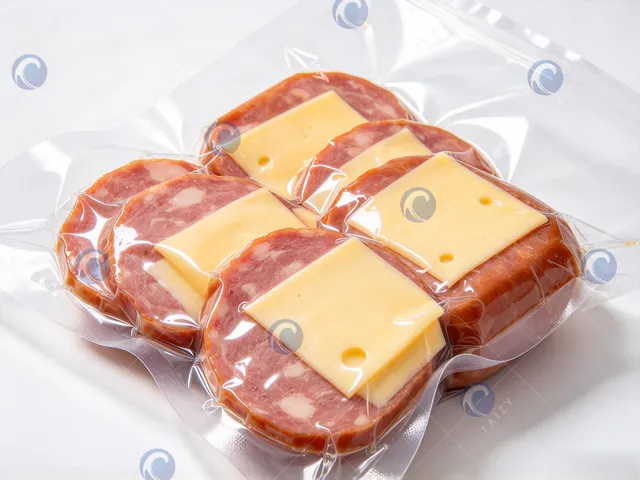
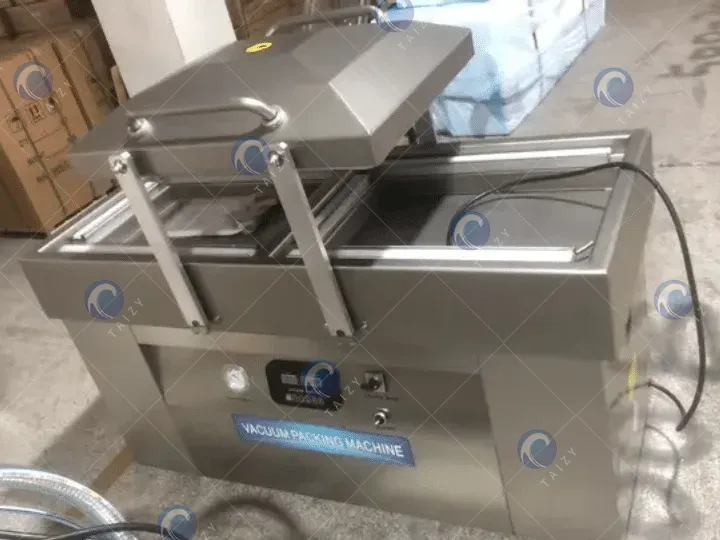
Vacuum packaging removes air from the package before sealing it. This reduces the oxygen level inside, helping limit oxidation and the growth of certain aerobic microorganisms. The package often fits closely around the product, although the final appearance depends on the packaging material and equipment.
The main difference is that MAP controls the gas atmosphere inside the package, while vacuum packaging primarily removes air.
Key Differences Between MAP Machine and Vacuum Packaging
| Comparison factor | MAP packaging | Vacuum packaging |
| Packaging method | Replaces air with a selected gas mixture | Removes air before sealing |
| Package appearance | Can maintain a tray shape and present products clearly | Often produces a close-fitting package |
| Product presentation | Suitable for retail displays where visibility matters | Suitable for products where compact packaging is preferred |
| Common applications | Fresh meat, seafood, fresh-cut produce, ready meals | Meat, cheese, processed foods, and other compatible products |
| Packaging formats | Commonly trays with barrier film; other formats are possible | Vacuum bags, pouches, and compatible packaging formats |
| Equipment considerations | Requires gas supply, suitable sealing, and atmosphere control | Requires a vacuum system and compatible packaging materials |
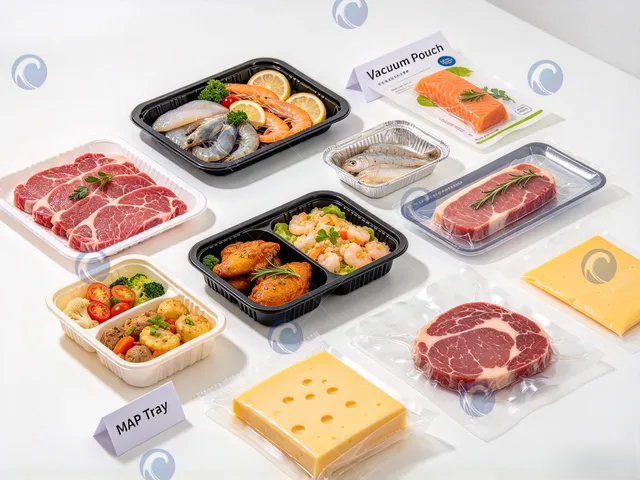
Which Foods Are Better Suited to MAP Machine?
MAP is often a good option when manufacturers want to maintain an attractive product presentation while controlling the atmosphere inside the package.
- Fresh meat and poultry: Selected gas mixtures can help manage color and product quality during chilled storage. For red meat, oxygen may be used in some retail applications to maintain a bright red appearance, while other gas combinations are selected for different requirements.
- Seafood: Fish and seafood are highly perishable, so suitable gas mixtures, hygienic handling, and strict temperature control are essential. Packaging must be designed around the specific species and product characteristics.
- Fresh-cut fruits and vegetables: MAP can help manage respiration and slow certain quality changes when the film permeability and gas composition are appropriate for the produce.
- Ready meals and prepared foods: Tray-based MAP can provide a neat retail presentation and convenient portioning for products that are compatible with this packaging method.
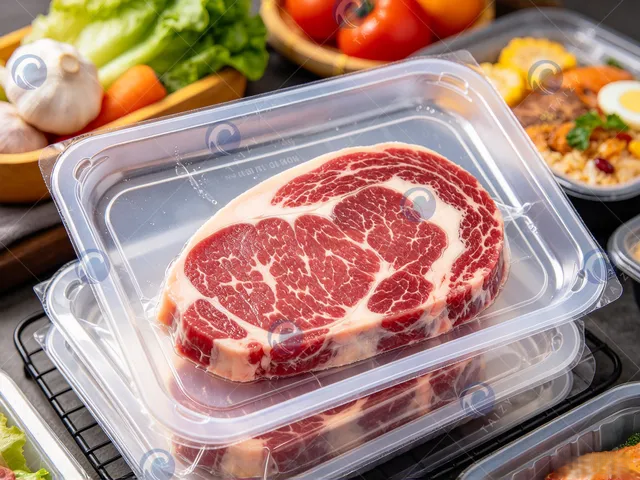
When Is Vacuum Packaging the Better Choice?
Vacuum packaging is often preferred when reducing oxygen exposure and minimizing package volume are the main priorities.
For example, cheese, processed meat, and some fresh or frozen food products may benefit from vacuum packaging. Removing air can also reduce the space required for storage and transportation, depending on the product and package design.
However, vacuum pressure can compress delicate foods or alter their appearance. Products that need to retain their shape or be presented attractively in a rigid tray may be better suited to MAP.
What Should You Consider When Choosing a MAP Machine?
Before investing in packaging equipment, food manufacturers should evaluate several practical factors.
- Product type: Identify whether you will package meat, seafood, produce, ready meals, or other foods.
- Packaging format: Determine whether trays, containers, or another package format best suits your product.
- Production capacity: Match the machine’s output to your required packaging volume and production workflow.
- Gas requirements: Confirm the suitable gas mixture and the availability of a reliable gas supply.
- Sealing and material compatibility: Ensure that the packaging film, tray, and sealing system work together to maintain package integrity.
- Cleaning and maintenance: Consider hygiene requirements, ease of cleaning, and access to technical support and spare parts.
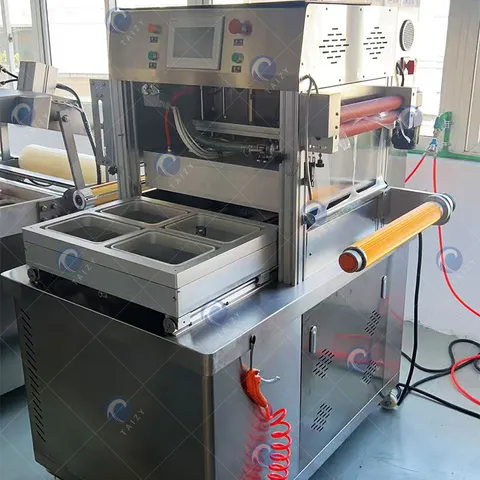
For tray-based applications, a MAP tray sealing machine may be suitable. The final choice depends on the package size, required output, degree of automation, and product characteristics.
Conclusion
MAP and vacuum packaging serve different purposes. The right choice depends on your food products, packaging format, storage conditions, and production targets.
If you are considering a MAP machine for your food processing business, contact our team to discuss your application, required capacity, and packaging specifications. We can help you evaluate a suitable packaging solution for your production line.